Site Conditions
Inland or urban: consider cooling tower isolation and free cooling first. Coastal: consider seawater cooling first

Industries & Applications
In data centers, thermal control is critical. One small cooling failure can mean thousands of dollars lost in minutes.
LHE gasketed and welded heat exchangers help you maintain stable temperatures, optimize water-cooled system efficiency, and scale your cooling infrastructure to meet rising demand — with proven reliability and lifecycle value engineered in.
Inland or urban: consider cooling tower isolation and free cooling first. Coastal: consider seawater cooling first
Air-cooled: consider chillers and free cooling first. High-density AI: consider CDUs and hybrid cooling first.
Energy savings: consider free cooling first. Heat reuse: consider waste heat recovery first.
Across the data center cooling system, plate heat exchangers provide efficient heat transfer between cooling circuits. They can support chilled-water systems, free cooling, liquid cooling and heat recovery while maintaining separation between primary and secondary loops.
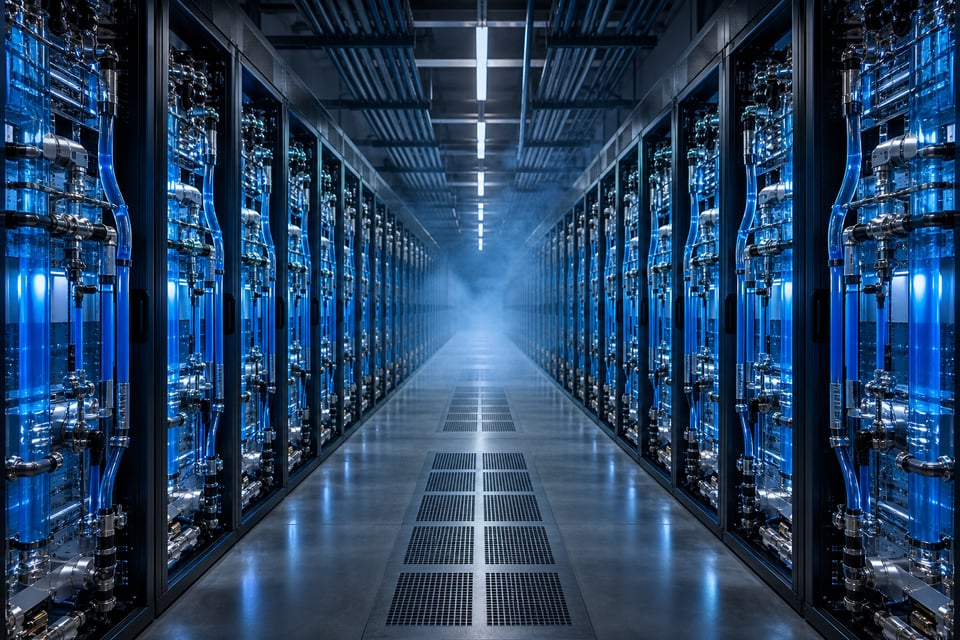
In direct-to-chip liquid cooling for AI racks, the heat exchanger transfers heat between facility water and server coolant without mixing them. It works efficiently even at a small temperature difference, enabling a compact CDU.
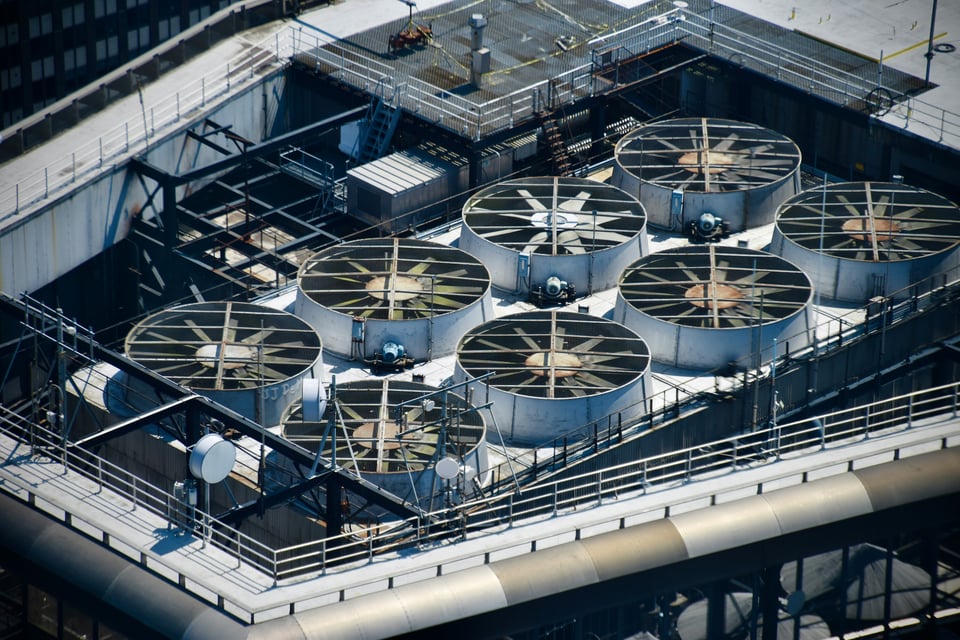
A heat exchanger between the cooling tower and the chiller keeps impurities and scale out of the chiller. The plates are easy to disassemble and clean, which keeps long-term maintenance simple.
Shell and plate heat exchangers work as the evaporator or condenser in a compact footprint. They transfer heat reliably for facilities running 24 hours a day, sized to the chiller capacity and operating conditions.
Keep your existing air cooling and add liquid cooling for AI racks as you grow. The heat exchanger is sized to capacity and temperature, so you can expand in phases, starting where it is needed.
The heat exchanger separates seawater from the facility cooling loop, so corrosive seawater never enters the facility. Plate materials are matched to the marine environment.
Maintain stable cooling even during peak server loads to prevent system failures and downtime.
Improve chilled water efficiency to reduce energy use per rack and cut total cooling costs.
Flexible designs that integrate smoothly with expansions, edge deployments, and modular facilities.
Compact, modular designs make regular inspections and cleanings simpler, drastically reducing downtime.
Our exchangers meet AHRI global standards, ensuring tested thermal efficiency and operational stability.
We help you cut long-term cooling costs and maintenance needs — not just hit a low first quote.
From large hyperscale facilities to modular edge data centers, our designs evolve with your infrastructure.
Domestic manufacturing and service teams mean quicker turnaround on parts, maintenance, and technical help.
Your cooling system is part of your business continuity. We design heat exchangers that help you maintain uptime, control costs, and grow without risking thermal instability.
Data center cooling is shifting from air-cooled limitations to efficient, adaptable water-cooled systems. We help you make that transition without compromising reliability.
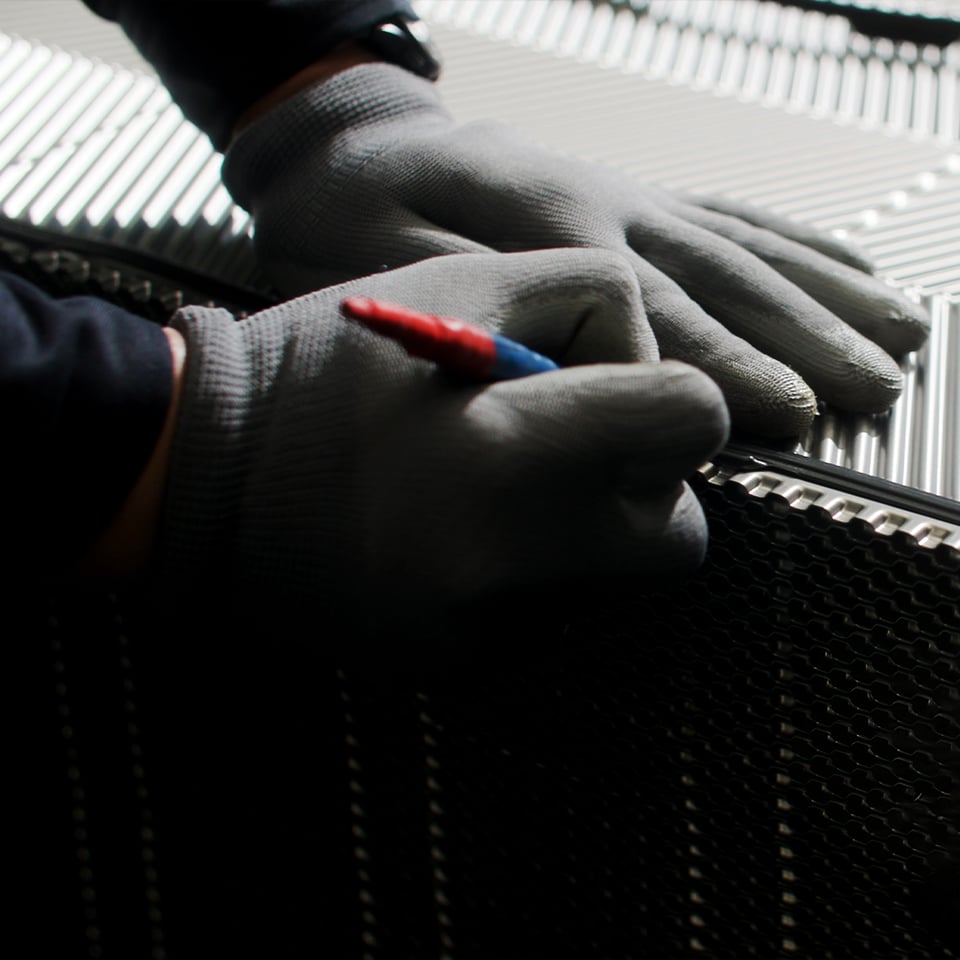
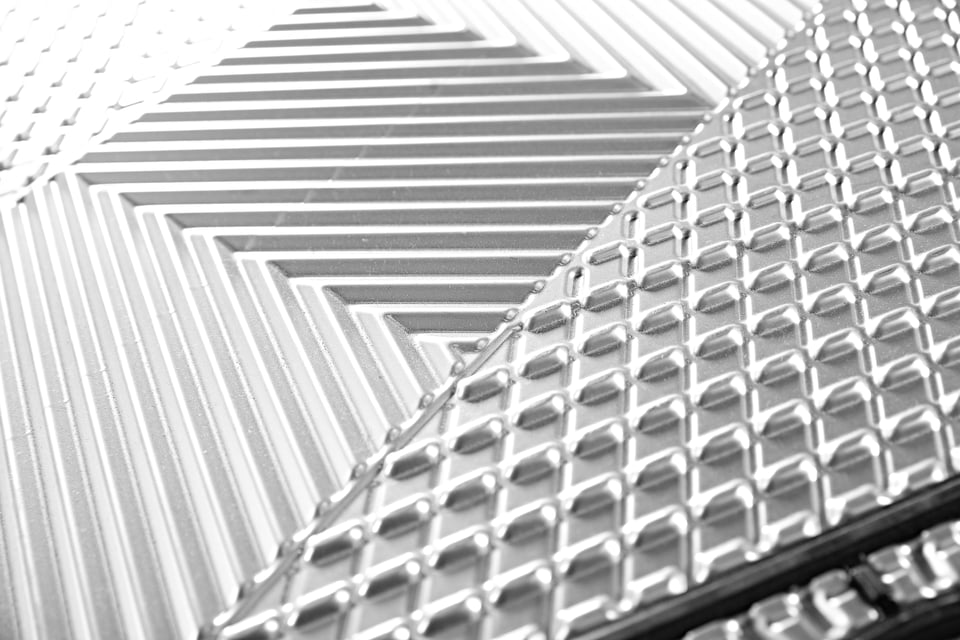
Stacked plates transfer heat efficiently in tight spaces and separate the cooling loops to protect equipment. They are also easy to clean and expand.
When the outside air is cool enough to reduce chiller operation. It is most useful in winter and in spring and autumn, depending on the site and design.
It transfers heat between the facility water and the server coolant without mixing them, even at a small temperature difference.
The heat exchanger passes the recovered heat to a building heating or hot water loop. A heat pump can raise low-temperature heat if needed.
The heat exchanger keeps seawater out of the facility, and plate materials are selected for seawater use. Details are reviewed for each project.